


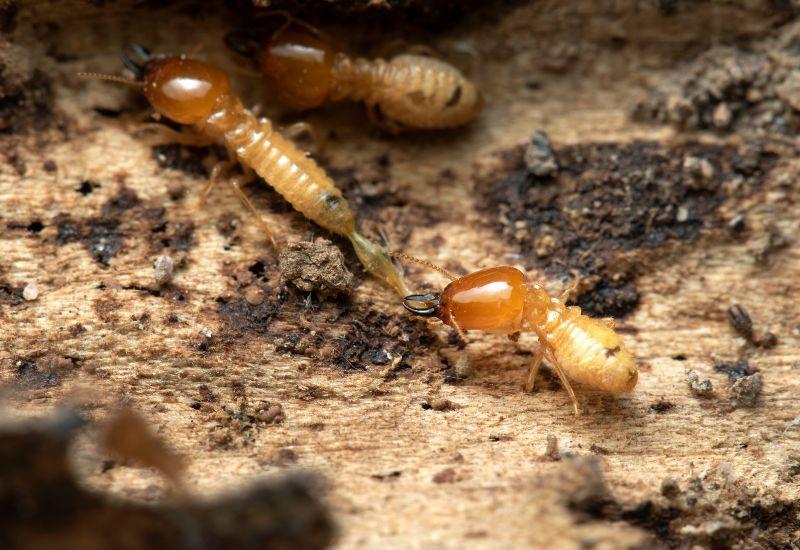
When you schedule a termite inspection, you're taking an important step toward protecting your home from one of the most destructive pests: termites. A termite inspection report is a detailed document that outlines the findings from the inspection, and it’s essential for homeowners to understand the terminology, findings, and recommendations included in the report. Whether you’re buying a new home, maintaining an existing one, or dealing with a potential termite issue, understanding the inspection report is crucial in making informed decisions about your property.
In this beginner’s guide, we will break down what you can expect from a termite inspection report, explain common terms and findings, and help you navigate the document to determine what steps, if any, you need to take to protect your home.
What is a Termite Inspection Report?
A termite inspection report is a written document provided by a licensed pest control professional after they have conducted a thorough examination of your home and property for signs of termite activity or damage. The inspection typically covers both the interior and exterior of the property and includes a detailed analysis of any visible damage, infestation, or conducive conditions for termite activity.
The purpose of the report is to provide you with a clear picture of the current termite situation in your home and any risk factors that may exist. In the case of a real estate transaction, the report can help buyers, sellers, and lenders determine whether termite treatment or repairs are needed before proceeding with the sale.
What Does a Termite Inspection Report Include?
A typical termite inspection report will be broken down into several key sections, which help you understand the inspector's findings, conclusions, and recommendations. Here are the main elements of a termite inspection report:
-
Inspector’s Details and Credentials
The report should start with information about the pest control professional who conducted the inspection, including their license number, certification, and the company they work for. This ensures the inspection was done by a qualified individual and that the report is legally valid. -
Date of the Inspection
The date of the inspection is crucial because termite infestations can develop quickly, and termite activity may change over time. Knowing when the inspection was conducted will help you understand how recent the findings are. -
Property Address and Overview
The report should specify the address of the property being inspected and give a brief description of the home or structure, including its size, age, and general condition. This section sets the context for the inspection. -
Findings of Termite Activity
This is the heart of the report, where the inspector details whether they found any evidence of termites or signs of an infestation. Common findings include:-
Active Termites: This refers to live termites discovered during the inspection. An active infestation requires immediate action to prevent further damage.
-
Old Damage: In some cases, the inspector may find evidence of previous termite activity that has since been treated or eliminated. This section will often describe how the damage was likely caused and whether it still poses a risk.
-
Signs of Moisture: Termites are attracted to moisture, so the inspector will note any areas with excessive humidity or water damage, which could create an environment conducive to termite infestations.
-
Mud Tubes: Subterranean termites build mud tubes to travel from the soil to the wood in your home. If mud tubes are found, they are a clear sign of an ongoing or past infestation.
-
Frass (Termite Droppings): Drywood termites leave behind small, pellet-like droppings, also known as frass, which may be found near the area of infestation.
-
-
Areas of Concern or Risk Factors
The report will likely identify areas around your property that may be conducive to termite activity, even if no termites are currently present. These might include:-
Wood-to-Soil Contact: If wooden parts of your home (e.g., beams, siding) are in direct contact with the soil, this can provide termites with easy access to the wood.
-
Leaky Pipes or Moisture Issues: Areas with poor drainage, leaky pipes, or moisture accumulation are more likely to attract termites. The inspector will note any moisture-related concerns.
-
Cracks in the Foundation: Even small cracks in the foundation or exterior walls can allow termites to enter. Inspectors will check for these gaps and report any potential vulnerabilities.
-
-
Type of Termites Found
There are several species of termites that could potentially infest your property. The most common types include:-
Subterranean Termites: These termites live in the soil and create mud tubes to travel to and from their food source. Subterranean termites are responsible for most termite damage in homes.
-
Drywood Termites: These termites live in the wood they consume and do not require contact with the soil. They are typically found in attics or inside wooden furniture.
-
Dampwood Termites: As the name suggests, dampwood termites prefer moist, decaying wood. They are less common but still a potential risk for homes with water damage.
-
-
Treatment Recommendations
If termites are found, the report will include recommendations for treatment. Depending on the extent of the infestation, treatment options may vary. Common treatments include:-
Liquid Termiticides: This involves applying a liquid pesticide around the perimeter of the home or to the affected areas to eliminate termites.
-
Bait Systems: Termite baiting involves placing bait stations around the home to attract termites, which carry the poisoned bait back to the colony.
-
Fumigation: In severe cases of drywood termite infestations, fumigation may be recommended. This involves tenting the entire house and filling it with a gas that kills termites.
-
-
Repair Recommendations
If significant damage is found, the report will also suggest repairs to restore the integrity of the property. This may include replacing damaged wood, repairing structural elements, or addressing moisture issues that may have contributed to the infestation. -
Warranties and Follow-Up Inspections
Many pest control companies offer warranties or guarantees on their treatments, meaning that if termites return within a certain time frame, additional treatments will be provided at no extra cost. The report may include details about such warranties, as well as recommendations for follow-up inspections to ensure that the problem has been fully resolved.
Common Terminology in a Termite Inspection Report
Understanding the terminology used in a termite inspection report can be tricky for beginners. Here are a few common terms you might encounter:
-
Active Infestation: The presence of live termites that are feeding on and damaging the structure.
-
Subterranean Termites: A species of termite that lives in the soil and enters homes through cracks or mud tubes.
-
Drywood Termites: Termites that live inside the wood they consume and don’t require soil to thrive.
-
Mud Tubes: Tunnel-like structures built by subterranean termites to travel between the soil and their food source.
-
Frass: The droppings of termites, often found near the area of infestation, especially with drywood termites.
-
Moisture Conditions: High levels of humidity or water that can attract termites and contribute to their activity.
How to Interpret the Report
Once you have the termite inspection report in hand, it’s important to interpret it in the context of your property:
-
Are termites present? If the inspection report indicates the presence of termites, whether active or past infestations, you will need to address the issue by scheduling a treatment.
-
Is there damage? Look for indications of structural damage. Significant damage may require extensive repairs and could affect your property’s value.
-
Are there any conducive conditions? Take note of any recommendations to mitigate termite risks, such as eliminating moisture issues or repairing cracks in the foundation.
-
What treatment is recommended? If termites are found, the report will usually suggest the appropriate treatment. Follow these recommendations to prevent further damage and ensure the safety of your home.
Next Steps After Receiving Your Termite Inspection Report
After receiving your termite inspection report, here’s what you should do:
-
Consult with the Pest Control Company: If the report includes technical terms or findings that are unclear, don’t hesitate to reach out to the inspector or pest control company for clarification. They can explain the report in more detail and guide you on the next steps.
-
Plan for Treatment: If the report indicates an active infestation, schedule treatment as soon as possible to prevent further damage. Follow the company’s advice on how to manage the situation.
-
Consider Repairs: If structural damage is found, get quotes for necessary repairs. It’s important to address any issues promptly to avoid compromising the structural integrity of your home.
-
Address Conducive Conditions: Even if termites are not currently active, addressing moisture issues, wood-to-soil contact, and foundation cracks will help reduce the risk of future infestations.
Conclusion
A termite inspection report can seem overwhelming at first, but it’s an essential tool in understanding your home’s risk for termite damage. By learning how to read the report, recognizing the key findings, and taking the necessary steps based on the recommendations, you can protect your home from costly termite damage. Whether you're a first-time homebuyer or a long-time homeowner, understanding your termite inspection report will empower you to take proactive measures that safeguard your home’s structural integrity and value.

 Arabic
 French
 Spanish
 Portuguese
 Deutsch
 Turkish
 Dutch
Dutch
 Italiano
 Russian
 Romaian
 Portuguese (Brazil)
 Greek
Greek