


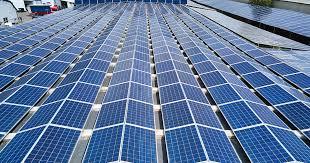
Building integrated solar panels represent a practical evolution in renewable energy, where solar technology is embedded directly into a building’s structure rather than added as an afterthought. This approach allows solar panels to serve dual functions—generating clean energy while maintaining or enhancing the building's architectural design.Solar panel architecture integrates photovoltaic elements such as facades, roofs, and windows, turning entire building surfaces into power-generating assets without compromising aesthetics or space. This method supports sustainability goals by reducing energy costs and carbon footprints while offering architects flexibility in design.By merging energy generation with architectural elements, building-integrated solar systems offer a forward-thinking solution for cities and developments where rooftop space is limited or design priorities are high. This synergy creates more efficient, resilient, and visually cohesive environments.
Building Integrated Solar Panels Overview
Building integrated solar panels blend solar power technology directly into the structure of buildings, creating dual-function components that produce energy and serve traditional architectural roles. This integration alters design opportunities and energy generation approaches compared to conventional solar panels.
Differences Between Building Integrated and Conventional Solar Panels
Building integrated solar panels (BIPV) replace or become part of building materials such as roofs, windows, or facades. Unlike conventional panels, which are mounted on racks or poles, BIPV contributes structurally and aesthetically to the building envelope.Conventional panels are typically added after construction, focusing solely on energy generation. BIPV systems, however, are designed as part of the building’s architecture, merging energy production with design elements. This integration often results in increased upfront costs but can reduce material costs by substituting traditional building components.Additionally, BIPV systems can offer enhanced visual appeal and space efficiency, which is crucial in urban and commercial settings where exterior surfaces are limited.
Types of Building Integrated Solar Panels
BIPV systems come in various forms tailored to different building components:
- Solar Roof Tiles/Shingles: Integrated directly into roofing materials, replacing standard tiles.
- Solar Facades: Photovoltaic materials embedded in exterior walls or cladding systems.
- Solar Glass/Windows: Incorporating semi-transparent solar cells into glazing, allowing light passage while generating power.
- Solar Canopies and Shading Devices: Structures that provide shade while harvesting solar energy.
Emerging technologies include bifacial solar cells, which capture sunlight efficiently from both sides, and flexible solar films suited for curved surfaces.Installation methods vary based on the panel type and building design, requiring coordination between architects and engineers to maintain structural integrity and energy performance.
Key Benefits and Challenges
Benefits of BIPV include space-saving by replacing conventional building materials, improved aesthetics, and potential long-term cost savings through energy generation and reduced material use. Integrating solar power within the building skin enables more efficient urban energy solutions.However, challenges involve higher initial costs, technical complexities in integration, and sometimes lower energy efficiency compared to traditional solar panels due to design constraints. Maintenance can be more complicated since the panels are part of critical building elements.Design and regulatory considerations also play a role, as BIPV installations must meet both building codes and energy standards. Balancing performance, cost, and aesthetics remains a key focus for successful implementation.
Architectural Integration of Solar Panels
Integrating solar panels within building architecture requires careful attention to design, materials, and functionality. It affects construction methods, aesthetics, and energy efficiency. The choices made influence overall building performance and long-term sustainability.
Design Considerations for New Construction
In new construction, solar panels can be planned as integral components rather than add-ons. This includes incorporating Building-Integrated Photovoltaics (BIPV) in facades, roofs, and windows. Early integration allows architects to optimize panel orientation, tilt, and placement for maximum solar exposure and energy generation.Designers must also consider local climate, shading, and structural load capacity. Choosing between traditional rooftop panels and fully integrated solar surfaces influences construction complexity and cost. Electrical systems and wiring routes should align with the solar setup to minimize energy loss and maintenance challenges.Durability and weather resistance play a key role. Selecting materials that blend with the building's envelope ensures a cohesive look while protecting solar cells from environmental stress.
Solar Panel Integration in Building Retrofits
Retrofitting existing buildings with solar panels involves distinct challenges. Space limitations and architectural constraints often require custom solutions like flexible panels or solar glass. Retrofitting is more complex when preserving historical or aesthetic elements.Installation must balance maximizing energy output and minimizing alterations to the building’s structure. Roof strength and orientation are critical factors, often dictating the panel type and configuration.Retrofitting may include adding solar awnings, shades, or facade elements that also serve as solar collectors. These solutions enhance shading and energy capture without compromising the building’s original appearance. Electrical upgrades and integration into existing systems must follow strict safety standards to ensure compatibility and reliability.
Impact on Building Aesthetics
Solar panels have evolved beyond bulky add-ons to become design features. When integrated thoughtfully, they complement architectural styles rather than detract from them. Options include semi-transparent solar glass, colored panels, and customizable shapes that match roof lines or facade patterns.This integration allows buildings to maintain or even enhance visual appeal. Strategic use of solar can highlight modern design elements or blend seamlessly with traditional materials like slate or metal roofing.The aesthetic impact varies with solar technology and framing techniques. Hiding electrical components and mounting hardware reduces visual clutter. The balanced approach encourages acceptance by occupants and communities, influencing broader adoption of solar architecture.
Influence on Building Performance
Integrating solar panels improves building energy efficiency and sustainability directly. It reduces reliance on external energy sources, lowers utility costs, and cuts carbon footprints. Solar elements can also contribute to thermal regulation, shading building surfaces, and lowering cooling loads.When designed as part of the envelope, solar systems improve insulation and airtightness. Some integrated systems offer dual functionality, acting as both energy generators and weather barriers.Effective integration enhances building resilience against power outages and grid instability, especially when paired with energy storage. Maintenance access and system monitoring are crucial to sustaining long-term performance. Properly integrated solar elements support greener, smarter buildings capable of adapting to future energy demands.

 Arabic
 French
 Spanish
 Portuguese
 Deutsch
 Turkish
 Dutch
Dutch
 Italiano
 Russian
 Romaian
 Portuguese (Brazil)
 Greek
Greek